


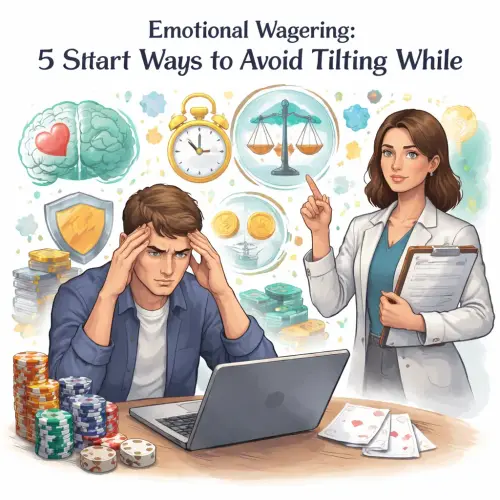
avoid tilting while clearing bonuses Key Takeaways
Emotional wagering happens when frustration or excitement clouds your judgment during bonus play.
- Tilt is a major cause of bankroll loss during bonus wagering — understanding it is the first step to avoid tilting while clearing bonuses .
- Common triggers include bad beats, bonus restrictions, and chasing losses; identifying them helps you prepare.
- Practical strategies like setting stop-losses, taking breaks, and using game-specific tactics can dramatically reduce emotional wagering .
Why Emotional Wagering Sabotages Your Bonus Clearing Strategy
Bonus offers are designed to give you extra playing time and potential winnings. However, the wagering requirements attached to them can create pressure. When you hit a losing streak or face tricky terms, emotions like frustration, anger, and impatience can take over. This is emotional wagering — and it often leads to poor decisions, larger bets, and faster losses.
The concept of tilt control in gambling comes from poker and applies directly to bonus play. Tilt happens when you deviate from your game plan because of emotional upset. Instead of sticking to your bonus clearing strategy, you start chasing losses or increasing stakes to speed up the process. The result? You burn through your bankroll faster and miss the opportunity to clear the bonus profitably.
To avoid tilting while clearing bonuses, you must recognize that the house edge is a long-term reality. Getting emotional about short-term variance will only hurt you. A calm, disciplined approach is your best tool.
Common Tilt Triggers During Bonus Clearing
Knowing what sets you off is half the battle. Here are the most frequent triggers that lead to emotional wagering:
- Bad beats and close calls: Losing by a narrow margin feels unfair and can spark frustration.
- Slow progress on wagering requirements: Long, tedious play tests your patience, especially with large bonuses.
- Restrictive game rules: Some games contribute less or are excluded from bonus play, which can feel like a trap.
- Loss chasing: The urge to recover a recent loss quickly is a classic tilt trigger.
- External factors: Tiredness, stress from work, or alcohol can amplify emotional reactions.
5 Proven Strategies to Avoid Tilting While Clearing Bonuses
These five steps form a solid framework for avoiding tilt and maintaining discipline. Adopt them before you start any bonus play.
Step 1: Set a Realistic Stop-Loss and Win-Limit Before You Start
Decide in advance how much of your own money you are willing to lose during the bonus wagering. This is your stop-loss. Also set a win-limit — a point at which you will cash out or pause. This removes the need for in-the-moment decisions, which are vulnerable to emotional wagering.
Write these limits down or set them in your casino account if the platform allows it. When you hit either limit, you stop — no exceptions. This is a core element of any solid bonus clearing strategy.
Step 2: Use a Betting Size Formula That Protects Your Bankroll
One of the biggest mistakes during bonus play is betting too large a percentage of your balance. A standard rule is to wager no more than 1-2% of your total bankroll per bet. For example, if your bankroll is €500, your maximum bet should be €5-€10. This keeps you in the game longer and reduces the impact of variance on your emotions.
When you feel the urge to increase bets to clear the bonus faster, remind yourself that this is exactly the kind of impulse that leads to tilt. Stick to your tilt control in gambling plan.
Step 3: Take Regular Breaks – The 15-Minute Rule
Continuous play, especially when losing, compounds frustration. Every 30 to 45 minutes, force yourself to take a 5 to 15-minute break. Step away from the screen, stretch, breathe, or walk around. This short reset helps you disengage from the emotional loop and return with a clearer head.
During the break, avoid thinking about the bonus or the losses. Focus on something else entirely. This is one of the simplest yet most effective ways to avoid tilting while clearing bonuses.
Step 4: Choose the Right Games for Bonus Wagering
Not all casino games are equal when it comes to clearing casino bonuses. Games with high contribution percentages and low house edges are your friends. Slots often contribute 100%, but their volatility varies. Low-volatility slots produce more frequent small wins, which is better for emotional stability. High-volatility slots can lead to long dry spells, triggering tilt. For a related guide, see Psychology Behind Casino Promotions: Why Bonuses Work.
Consider table games like blackjack or baccarat if the bonus allows them (they often contribute less, but you can play longer). The key is to select games that match your tolerance for variance and your bonus clearing strategy. If a game makes you feel frustrated, switch to a calmer option.
Step 5: Practice Mindfulness and Reframe Your Perspective
Mindfulness helps you notice emotional shifts before they escalate. When you feel anger rising after a loss, pause and say to yourself: “This is variance. It is not personal.” Acknowledge the emotion, then let it go. This simple cognitive reframing is a powerful tool for tilt control in gambling.
Another trick is to reframe the bonus itself. See it not as a guaranteed win, but as a tool for longer entertainment. Any profit from a cleared bonus is a victory. This shift in thinking reduces the pressure that fuels emotional wagering.
Troubleshooting Tilt: What to Do When You Feel It Coming
Even with strong strategies, you may sometimes feel tilt creeping in. Here is how to handle it in the moment:
- Walk away immediately: No session is worth your bankroll. Leave the game and come back later.
- Review your stop-loss: Check if you have already hit your limit. If yes, stop playing entirely.
- Talk about it: Verbalizing your frustration to a friend or even out loud can reduce its power.
- Switch to a different activity: Play a casual game, read, or exercise to shift your focus.
Optimization Tips for Long-Term Bonus Clearing Success
To consistently avoid tilting while clearing bonuses, build these habits into your routine:
- Keep a session log: Write down your wins, losses, and emotions after each session. Patterns become clear and help you adjust.
- Use casino tools: Many casinos offer reality checks, deposit limits, and session time limits. Use them.
- Stay hydrated and rested: Fatigue and dehydration worsen emotional control.
- Never play under the influence: Alcohol and other substances impair judgment and increase tilt risk.
| Tilt Trigger | Proactive Tactic |
|---|---|
| Bad beats / close losses | Immediately take a 10-minute break |
| Slow wagering progress | Re-check your bet size – do not increase it |
| Restrictive bonus terms | Read terms before accepting; avoid bonuses that feel unfair |
| Loss chasing / urgency | Set a hard stop-loss and stick to it |
| External stress or tiredness | Skip bonus play until you are calm and well-rested |
Motivational Summary: Master Your Emotions, Master Your Bonuses
Bonus clearing is not a sprint. It is a marathon that rewards patience, discipline, and emotional control. By understanding emotional wagering and applying these five strategies, you can avoid tilting while clearing bonuses and turn casino promotions into genuine profit opportunities. The next time you feel frustration rising, remember: one controlled decision at a time builds long-term success. You have the tools — now use them wisely. For a related guide, see Royalewin Bonus Clauses: 10 Hidden Terms You Must Avoid.
Useful Resources
For more on bankroll management and tilt control, check out the Gambling Therapy website for emotional support tools and free resources. The Psychology Today guide to emotion regulation also provides science-backed techniques that directly apply to gambling scenarios.
Frequently Asked Questions About avoid tilting while clearing bonuses
What is emotional wagering in casino games?
Emotional wagering occurs when your betting decisions are driven by emotions like frustration, excitement, or anger rather than logic. It often leads to larger bets, chasing losses, and abandoning your strategy.
What does tilt mean in gambling?
Tilt is a state of emotional upset that causes a player to deviate from their optimal game plan. Originating from poker, it now applies to all forms of gambling and is a major cause of bankroll loss.
How can I avoid tilting while clearing bonuses?
To avoid tilting while clearing bonuses, set a stop-loss and win-limit before playing, use a conservative bet size, take regular breaks, choose low-volatility games, and practice mindfulness to recognize emotional shifts.
Why do I get frustrated when clearing a casino bonus?
Frustration during bonus play often stems from the pressure of wagering requirements, bad beats, slow progress, or feeling restricted by game rules. Recognizing these triggers helps you prepare emotionally.
What is the best bet size for clearing bonuses?
A general rule is to bet no more than 1-2% of your total bankroll per wager. For a €500 bankroll, that means €5-€10 bets. This minimizes variance and emotional impact.
Can taking breaks really help with tilt control?
Yes. Taking a 5-15 minute break every 30-45 minutes helps break the emotional loop and allows you to return with a clearer, more rational mindset. It is one of the simplest tilt control techniques.
What games are best for avoiding tilt during bonus wagering?
Low-volatility slots and table games like blackjack (if allowed) are best. They produce more consistent results, reducing the frustration that leads to tilt.
How do I know if I am on tilt?
Signs of tilt include increasing bet sizes, ignoring your predetermined limits, feeling angry or impatient, chasing losses, and making impulsive decisions. Self-awareness is key.
What is a stop-loss in bonus clearing?
A stop-loss is the maximum amount of your own money you are willing to lose during a session or while clearing a bonus. Hitting this limit means you stop playing immediately.
Should I chase losses when clearing a bonus?
No. Chasing losses is a classic tilt behavior that almost always leads to larger losses. Stick to your plan and stop if you hit your loss limit.
What is the 15-minute rule for gambling?
The 15-minute rule means taking a short break of at least 5-15 minutes after a loss or after 30-45 minutes of play. It helps reset your emotional state and prevent tilt.
How can mindfulness help with tilt in gambling?
Mindfulness allows you to notice emotional changes like anger or frustration as they arise, without acting on them. By observing the feeling and letting it pass, you maintain control over your decisions.
What are the most common tilt triggers in online casino play?
Common triggers include bad beats, slow wagering progress, restrictive bonus terms, loss chasing, tiredness, external stress, and the influence of alcohol or other substances.
Can I use casino tools to help control tilt?
Yes. Most reputable online casinos offer reality checks, deposit limits, session time limits, and cool-off periods. Using these tools proactively can prevent tilt.
Is emotional wagering more common with bonuses than regular play?
Yes, the pressure to meet wagering requirements within a time limit or under specific conditions can heighten emotional responses. Bonuses add an extra layer of urgency and expectation.
How can I prepare mentally before starting a bonus session?
Set your limits, choose your game, and remind yourself that variance is normal. Visualize sticking to your plan even if you lose. This mental rehearsal reduces the impact of tilt.
What should I do if I feel angry during a bonus play session?
Stop playing immediately. Walk away, take a deep breath, and engage in a calming activity. Do not return until the anger has subsided and you can think clearly.
Does game volatility affect emotional wagering ?
Absolutely. High-volatility games produce long losing streaks and large swings, which can easily trigger frustration and tilt. Low-volatility games are more forgiving emotionally.
What is the best bonus clearing strategy for avoiding tilt ?
The best strategy combines a conservative bet size (1-2% of bankroll), a clear stop-loss and win-limit, regular breaks, game selection with low variance, and mindfulness techniques. All five elements work together.
Can I profit from casino bonuses without emotional wagering ?
Yes. Many players consistently profit from bonuses by following a disciplined approach. Emotional control is a key differentiator between those who lose their bankroll and those who walk away with a profit.